
‘Those years (of equality) were just an anomaly, historically speaking,’ the Commander said. ‘Just a fluke. All we’ve done is return things to Nature’s norm.’
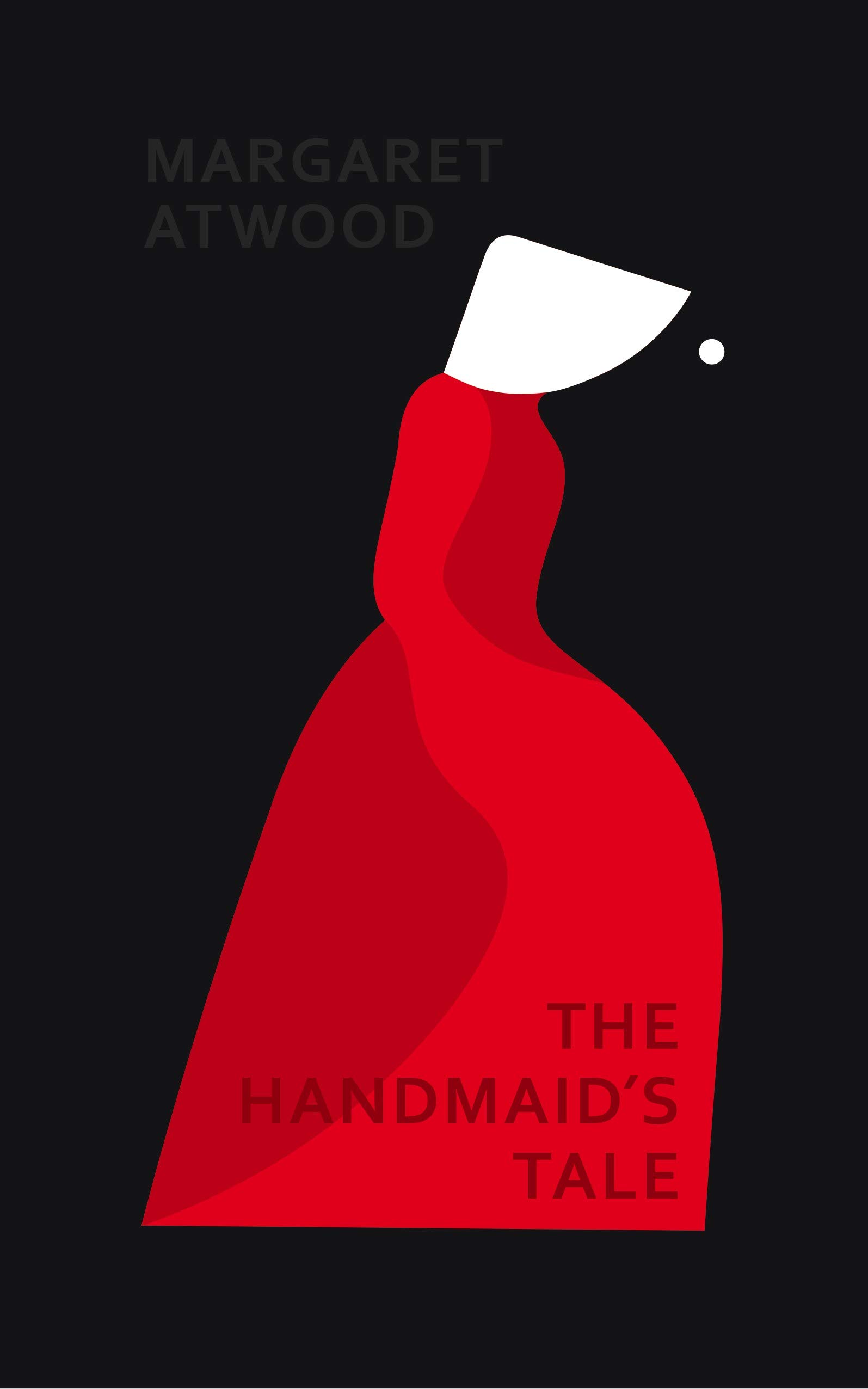
The Handmaid’s Tale is a stylistically beautiful, worryingly plausible novel about a world in which the United States government has been overthrown by civil war, and a totalitarian Christian theocracy has been installed in its place. This isn’t the futuristic nightmare of 1984 or the Hunger Games, however, wherein technological advances and inequalities make oppression simple. This is a fictional world which demonstrates how it easy it would be to lose the progress of the last few centuries made, in regards to gender and race.
Before reading The Handmaid’s Tale, I had seen Margaret Atwood’s comments denying she was a science-fiction writer. Oryx & Crake fit snugly in the genre, and so I viewed her attempts at distance from with a degree of scepticism. I thought of her as another writer attempting to escape from the label of sci-fi for the same reason Vonnegut described: “I have been a sore headed occupant of a file drawer labelled ‘science fiction’ […], and I would like out, particularly since so many serious critics regularly mistake the drawer for a urinal.”
The Handmaid’s Tale is not science-fiction. This isn’t because it has literary qualities; if that was a qualifier, Gene Wolfe would have escaped the drawer along with her. It’s because it takes place in a dystopia, yes, but not one undone by technological advances and scientific arrogance like the world of Oryx and Crake (which was incidentally why the book grated on me occasionally), or even where technology is used to particularly insidious means in the style of 1984. Atwood predicts no new force which wrenches our freedom from us. It is a regression to the values of the old world, a desire for simple, comforting roles of gender enforced by those who are most powerful, which erodes hard won rights.
There are a number of direct parallels across many modern states for the subjugation that women undergo here, but Atwood also draws heavily from the history of Antebellum slavery on topics such as literacy and Biblical justification for cruelty. She’s done her research on how oppression and slavery can manifest and maintain power in societies, and as such this dystopia is hauntingly believable.


 Some Ferrett Notes